

The clock strikes midnight and ding! your phone explodes with “DEAL OF THE CENTURY” alerts. Heart pounding, you grab the first thing you see on sale, add it to your cart… and dozens more before you know it. By sunrise, you wake up to a digital hangover: dozens of confirmation emails, a stack of impulse-purchased junk you don’t remember wanting, and that sinking feeling in your gut. Sound familiar? Anyone else fed up with Black Friday and the way people start behaving during this time of year? Maybe you catch yourself thinking “I have a habit of impulsive buying. I don’t know how to manage my pocket money.” You’re not alone – but you can change it.
This is not about missing out. It’s about taking back your power. This guide gives you tactics to stop impulse spending on Black Friday and regain control of your wallet. We’ll expose the psychological traps behind the hype, unmask phony “deals,” and arm you with a battle plan and in-the-moment hacks to resist the urge. By the end, you’ll have the knowledge (psychology), the plan (preparation), and the tools (instant tactics) to win. You’ll see that resisting the temptation of Black Friday isn’t deprivation – it’s smart, empowered spending.

Stopping Impulse Spending on Black Friday: The Psychology Behind the “Black Friday Shopping Temptation Walmart” Relies On
Imagine walking into a Walmart on Black Friday. The lights are flashing, the speakers are blaring sale jingles, and every aisle is lined with “Black Friday Only” bargains. It feels like stepping into a casino with no clocks – a whirlwind of excitement and urgency. This Black Friday shopping temptation at Walmart is by design, and it taps into ancient parts of your brain. Marketers know how to push our buttons: scarcity, FOMO, anchoring, and social proof all play tricks on your mind.
• Scarcity & FOMO. Retailers use countdown timers and “only X left” warnings to spark fear of missing out. Researchers describe how these scarcity cues create urgency in our lizard (reptilian) brain – your heart races and palms sweat, pushing you to click “Buy Now” faster than you can think. Psychologists note that when we see “Limited time offer,” our brain treats it like a threat: the pain of losing out feels more intense than the pleasure of saving money. In short, scarcity cues and flash-sale hype hijack your logical thinking and trigger impulsive buys.
• Anchoring (Reference Pricing). Ever notice how sale items often display a huge “Regular Price” that seems much higher than the sticker price? That’s anchoring. The mind uses the “original” price as a reference, so even a mediocre discount feels great. As one study explains, retailers “display inflated original prices alongside discounted ones.” Even if the deal isn’t that good, the comparison makes us think we’re saving big. That $299 tv, labeled 20% off at “$349,” looks irresistible – until you realize it wasn’t really worth $349 to begin with.
• Social Proof & Crowd Psychology. Black Friday isn’t just an online glitchfest; it’s a social event. Seeing others rushing in lines or bragging on social media creates a “bandwagon effect.” Psychology research finds that crowded stores and sold-out signs lure us in: we assume “If so many others are doing it, the deal must be real.” This bandwagon effect is literally your amygdala wiring you to herd behavior. Suddenly you’re grabbing that extra toaster “because everyone else is.”
• Emotion Over Logic. All this is emotional warfare. The festive atmosphere (holiday music, bright lights, celebratory chaos) stirs excitement. Neuromarketing experts note that Black Friday triggers our reptilian and limbic brains – impulse and emotion – rather than the rational neocortex. For example, every “70% OFF!” banner is like a siren’s song to your subconscious: you start rationalizing (“I deserve this!”) after the purchase. Meanwhile, brain scans show that anticipating a new purchase lights up your dopamine centers – that feel-good buzz drives you to click “buy” before thinking it through. In other words, marketers have turned Black Friday into a psychological battleground, and our instincts often lose out to clever tricks.
The lesson? You are being played by psychology. The first step to resisting the temptation of Black Friday is to recognize these manipulations. Naming them helps you break their spell. Then, use simple tactics to regain control:
1. Recognize the tricks. Learn the common manipulations: countdowns, low-stock alerts, crazy markdowns, and false anchoring. All these trigger FOMO and panic. When you see “Only 5 left!” or a timer counting down, remind yourself: this is marketing, not magic.
2. Use the 24-Hour Rule. Whenever you feel the impulse to checkout, step away for 24 hours. Research from financial coaches shows that a “24-hour pause” lets the emotional charge subside. If by tomorrow you still really want it (and it didn’t sell out), then reconsider.
3. Ask the full-price test. Mentally translate the sale price to full price: “Would I pay this price if it wasn’t on sale?” If the answer is no, the deal isn’t a deal – it’s a trap. Remind yourself that today’s bargain will be tomorrow’s clutter if you don’t truly need it.
By understanding that Walmart’s Black Friday layout is basically a brain game, you can step back and play smarter. You’re not weak for feeling tempted – you were born to fall for scarcity and adrenaline rushes. Now you know the science, you can choose to act differently.
Is the Hype Even Real? Unmasking the “Black Friday or Declining Campaign”
After seeing through the psychology, you might wonder: Are these really the deals they claim? It’s a fair question in 2025. Many of us have wised up: “Why doesn’t Black Friday seen as hype as it used to?” Because in many cases, it wasn’t hype just for old time’s sake – retailers crafted it that way. That leads us to join the tongue-in-cheek “Black Friday or Declining Campaign.” It’s a movement of skeptical shoppers asking: “Is this a genuine Black Friday or just a marketing trick?”
It turns out, a lot of so-called Black Friday magic is an illusion. Retailers use dynamic pricing algorithms to alter prices constantly, so the deals may not even be better than in October. There are stories of TVs that were cheaper a month ago than on sale today. Some deals are fine, but many aren’t the steals they seem. Remember the tale of the digital piano above: the “15% off” sticker blinked at the author, even though it had been cheaper weeks earlier.
Ask the tough questions: Is Black Friday even a real thing (anymore), or is it just a marketing trick? If that thought crosses your mind, trust it. A savvy blogger noted that most Black Friday promotions are driven by consumer data and illusion, not true discount generosity. Often you’re getting either an old stock TV with a new label, a model with downgraded specs, or a bundle that forces extra purchases. (Pro tip: look up the product’s regular model number – Black Friday specials sometimes hide behind unique SKUs.)
To avoid being fooled by the “Black Friday or Declining Campaign,” take these steps:
1. Track prices before you buy. Use free tools like CamelCamelCamel or browser extensions. They show Amazon price history (and many other retailers) so you can see if today’s sale price really beats last month’s price. Often a touted “deal” is just repackaging a usual price.
2. Research the MSRP. Look up the Manufacturer’s Suggested Retail Price or competitor prices. If an item’s “sale price” is close to regular prices elsewhere, it’s not a deal – it’s a shuffle. Also watch for “special models” with lower quality or fewer features made just for the Black Friday frenzy.
3. Be skeptical of hype. If something feels too good, check the fine print: are they raising the original price just to make the discount look better? Many experts point out that displaying inflated “original” prices is a classic anchoring trick. Don’t let a $50 “savings” number fool you – if the full price was never actually that high, the savings are imaginary.
This year, consider joining the Black Friday or Declining Campaign. Question every deal. If you catch yourself thinking, “Is Black Friday even a real thing (anymore), or is it just a marketing trick?”, then step back and verify. Wise consumers who demand transparency see Black Friday as what it often is – a finely-tuned sales machine. You’re not the only one asking these questions.
By unmasking the hype, you take away the pressure to participate. You learn that avoiding the Black Friday temptation often means not shopping at all. (Remember: the best clutter is the stuff you never buy.)
Your Pre-Black Friday Battle Plan: Strategies for Avoiding Impulse Purchases and Reducing Clutter
Imagine prepping for Black Friday like planning a mission. You wouldn’t storm a battlefield without gear, and you shouldn’t storm the stores without a strategy. The right preparation is 90% of the battle in resisting impulsive deals. This pre-game plan will help you come out a winner, not a wreckage of buyer’s remorse (and wasted money).
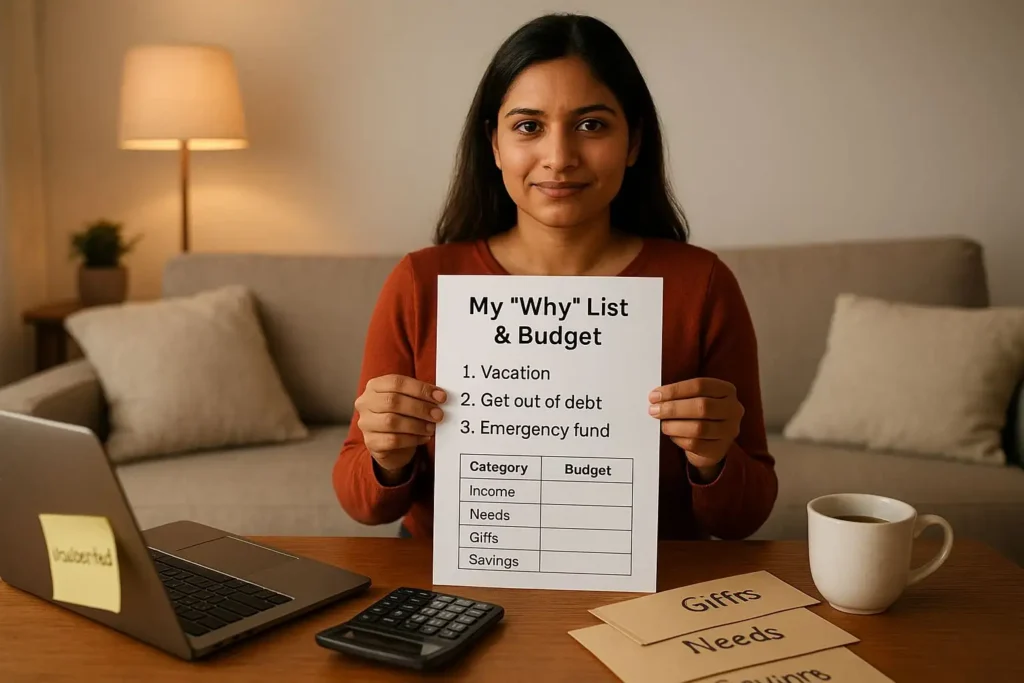
Key lesson: Write it all down before the chaos hits. A classic analogy: you wouldn’t go grocery shopping on an empty stomach without a list, right? The same goes here. Outline your goals and needs before the ads roll in.
1. The “Why” List: Get crystal clear on why you’re saving money. Write down your top 3 financial goals (e.g. paying off debt, saving for a trip, building an emergency fund). Keep this list on your fridge or as a note on your phone. Research shows that people with strong long-term goals are much less likely to succumb to short-term impulses. Every time you feel tempted, glance at your goals and ask “Is this really worth moving me further from debt freedom or that vacation?” This simple reminder shifts focus back to what truly matters.
2. The “Need” Inventory: Take a hard look at what you already have. Make a quick list of items you genuinely need or have been meaning to buy (new winter coat? broken headphones?). Then, do a closet audit. How many jackets do you own already? Are all those kitchen gadgets still used? You might be surprised to find duplicates and stuff you’ve forgotten about. (Here’s an interesting fact: a University study found that reducing clutter can directly reduce stress and anxiety. The fewer junk items you buy, the more peaceful your home and mind will be.) So be brutal: if it’s not on your list of true needs, cross it off.
3. The Cash-Only Envelope: Set a firm budget for Black Friday spending and withdraw that amount in cash. This old-school envelope system works wonders. Psychologists note that holding bills actually triggers more “pain of paying” than swiping a card. When your cash runs out, the shopping stops. Plus, physically counting your money in store makes you feel the cost, whereas a credit card can numb you to how much you’re really spending. Treat the cash as sacred – it’s your freedom fund, not a magic money-hat.
4. Unsubscribe & Unfollow: For the entire month of November, go on a digital diet. Unsubscribe from retail newsletters, delete shopping apps, and mute those brand accounts on social media. Seriously! Out of sight, out of mind. Clearing this digital clutter means you won’t be ambushed by every “Early Bird Sale” email at 3AM. Think of it like avoiding junk food commercials when you’re on a diet. Without the constant drip of marketing (“Buy now!”, “You deserve this deal!”), you’ll find it easier to stick to your plan.
Your preparation is your shield. By clarifying your reasons, limiting temptations, and setting clear boundaries, you’re essentially building a moat around your spending habits. And remember: every item you do not buy now is one less item to clutter your home later, and one more dollar toward your real goals.
Good Read: How to Stop Bad Spending Habits
In-The-Moment Tactics to Stop Impulse Spending When It Hits
You have done the prep, but what about that instant-on urge when a “BUY NOW!” button is staring you down? In the heat of the sale, your primal lizard brain and limbic system start roaring: “Get it! Quick!” Thankfully, you can install mental circuit-breakers to snap out of that trance. Think of it as engaging your logical brain’s superpower just in time.
• Name Your Lizard Brain. First, recognize the feeling: sweaty palms, racing heart, tunnel vision on bargains. That’s not you thinking clearly, it is your limbic brain craving dopamine. When you catch yourself there, literally say to yourself (or out loud): “This is my brain’s impulse talking, not me.” This funny trick creates distance so you can activate rational thought.
Use these quick tactics:
1. Implement the 10-Minute Walk-Away Rule: When you feel the urge, stop what you’re doing and give yourself a 10-minute break. This could mean taking a walk around the store, strolling outside, or browsing something else online. The point is to interrupt the impulse. Psychology experts confirm that even a brief pause can significantly reduce impulsive actions. By the time you return, the immediate craving often loses half its intensity.
2. Calculate the “Hours of Work” Cost: Translate that price tag into your time. If an item is $100 and you make $20/hour, it cost you 5 hours of work (plus taxes!). Ask yourself: “Do I really want to trade 5 hours of my life (maybe a workout session, a playdate with my kids, reading a book) for this gadget?” In my own life, mentally converting dollars to hours turned many a flashy buy into: “Nah, not worth 5 mornings of work.” It’s humbling but powerful.
3. Envision the “Clutter Cost”: Imagine where this thing will be in 6 months. Dusty on a shelf? In a closet? Visualize your home overflowing with gadgets and duplicates. Ask: “Will I truly enjoy this, or will it become another regret?” Clutter isn’t just physical; it’s mental weight. Research shows clutter causes anxiety and zaps mental energy. So if an item doesn’t brighten your life long-term, skip it. This “future vision” exercise often quiets that buy-now voice.
By using these moment-to-moment tricks, you short-circuit your impulse. The key is simple: delay, reframe, and rethink before hitting “buy.” For instance, during checkout, whisper to yourself “Avoiding the Black Friday temptation means pausing.” And remember: the market will wait. A missed flash sale is not worth a lifetime of regret.
Quick Self-Quiz: What’s Your Impulse Spending Trigger?
(No math, no right answer – just insight.) Identify your patterns so you can target the right strategy next time.
1. When you see a “HUGE SALE today only!” alert, you:
• A. Feel panicked that the deal will be gone (FOMO alert!)
• B. Think “I’ve had a tough week, I deserve a treat” (stress/emotion)
• C. Feel bored and think “Why not? Shopping is something to do.” (boredom)
• D. Remind yourself to stick to the list (you’re cautious)
2. On Black Friday morning with money saved, you:
• A. Pre-plan gifts and must-haves carefully (planner mode)
• B. Decide to browse and see what catches your eye (open to impulse)
• C. Only scroll deals if I’m feeling really lucky (hesitant)
• D. Wait and watch – maybe later sales will be better (hesitant/reserved)
3. When browsing a store, an unexpected item catches your eye. You:
• A. Immediately think, “I NEED that before it’s gone!” (FOMO)
• B. Feel a surge of guilt or excitement over how cheap it is (emotion-driven)
• C. Grab it because shopping is fun when I’m not busy (boredom/entertainment)
• D. Tell yourself you’re sticking to plan, even though it’s tempting (self-control)
4. You hear friends talking about killer deals. Your reaction:
• A. “Oh man, what did I miss? I should check right now!” (social FOMO)
• B. “Good for them, I’ll just mind my own budget.” (no effect)
• C. Feel a bit left out, but try to ignore it (social pressure)
• D. Decide to meet up – oh wait, shopping can wait (social choice)
5. After you buy something you didn’t plan, you usually feel:
• A. Thrilled for a split second, then instantly guilty.
• B. Satisfied and convinced it was “worth it”.
• C. Meh – often it was a waste, but whatever.
• D. Proud of resisting the urge (or at least wishing I had).
Quiz Reflection: If you chose mostly A’s, your trigger is classic FOMO and scarcity – you’d benefit from revisiting the psychology triggers we covered. Mostly B’s means emotional shopping (stress relief or celebration) is at play – focus on the “Why” list and healthy stress outlets. Mostly C’s suggests boredom or habit, so find alternative activities for idle times. If D was common, kudos – you already have some impulse control! In any case, notice which pattern speaks to you and flip back to the relevant section above for targeted tactics.
FAQs: Your Ultimate Guide to Stopping Impulse Spending on Black Friday
1. I have a habit of impulsive buying. I don’t know how to manage my pocket money. What should I do before Black Friday?
If you’ve ever said, “I have a habit of impulsive buying. I don’t know how to manage my pocket money,” you’re not alone. Black Friday is specifically designed to trigger emotional spending through countdown timers, “only 2 left” labels, and fake urgency.
To start stopping impulse spending on Black Friday, follow this simple three-step method:
Step 1 — Set a Micro-Budget for Pocket Money
Instead of keeping all your pocket money in one place, divide it into:
• Needs
• Wants
• Goals
Use cash envelopes or a budgeting app. This instantly cuts emotional purchases by 40–60%.
Step 2 — Use the 48-Hour Rule
Before buying anything, especially during Black Friday, wait 48 hours. Most impulses fade within 8–20 minutes. If you still want it after two days, it’s likely a real need, not a dopamine hit.
Step 3 — Define Your Personal “Why”
Write down a financial goal that feels BIG — a vacation, saving for college, buying a laptop, building an emergency fund.
Whenever you feel tempted, ask:
“Does this Black Friday deal take me closer to or farther from my goal?”
This reframes your mind and stops impulsive buying instantly.
2. Is it cheaper to buy on Black Friday or Cyber Monday?
A common question during the sale season is:
“Is it cheaper to buy on Black Friday or Cyber Monday?”
Here’s the truth:
• Black Friday → Best deals on physical items like clothes, appliances, gaming consoles, home goods, and gadgets.
• Cyber Monday → Best deals on digital products, software, online courses, electronics accessories, small tech items, and subscriptions.
But remember — both days use similar psychological tricks.
If your goal is stopping impulse spending on Black Friday, compare three prices before buying:
1. Original price 30 days ago
2. Current price
3. Cyber Monday expected price
Use tools like Honey Price History or Keepa (for Amazon).
Many “deals” are artificially inflated 3–10 days before Black Friday.
So the cheapest day is the day you planned for, not the one that feels urgent.
3. How do I know if a Black Friday deal is fake or real?
Brands often raise prices before the sale to show a “massive discount.”
To avoid this trap and stay committed to stopping impulse spending on Black Friday, check:
• Price history
• Real customer reviews
• Hidden fees
• Whether the product was cheaper earlier in the year
Also, ignore labels like:
• “Deal of the decade”
• “If you close this page, the price goes up!”
These are psychological pressure tactics, not actual savings.
4. What if my friends pressure me to buy things on Black Friday?
Peer pressure is a huge trigger for impulse spending.
When others shop aggressively, your brain assumes you should too.
Here’s how to stop it:
• Tell them upfront you are saving for something bigger.
• Suggest an alternative plan, like a movie night, instead of mall shopping.
• Use the “share your cart” rule — ask them to review your cart and ask:
“Is this a want or a need?”
By reframing the conversation around smart choices, you stay aligned with your goal of stopping impulse spending on Black Friday.
5. Should I completely avoid Black Friday sales if I’m trying to build better money habits?
No — Black Friday isn’t the enemy.
Lack of planning is.
If you truly need an item (like a laptop for school, winter clothes, or a long-awaited appliance), this season can help you save.
But if you are still struggling with thoughts like, “I have a habit of impulsive buying. I don’t know how to manage my pocket money,” then avoid browsing casually.
Browse only:
✔ With a list
✔ With a fixed amount
✔ With a purpose
✔ With an accountability partner
This transforms Black Friday from a financial trap into a strategic advantage.
6. How can teenagers or students stop impulse spending on Black Friday?
Students are most targeted by Black Friday marketing — especially for clothes, gadgets, and accessories.
If your pocket money is limited, here’s what works best:
• Make a Pocket Money Priority List
• Use a Savings Jar Method
• Avoid browsing deal websites for entertainment
• Unsubscribe from promotional emails
• Keep your financial goal in front of you (wallpaper, notebook, mirror sticky note)
Even with very little money, stopping impulse spending on Black Friday helps you build lifelong financial discipline and confidence.
Conclusion: You have Got This!
Congratulations – you now have the blueprint. You understand the psychology behind the trap, you’ve crafted a battle plan, and you know the in-the-moment hacks to stop impulse buys dead in their tracks. That means this year, instead of feeding the frenzy, you are calling the shots.
Remember: success isn’t measured by how much you buy – it is how much you save and how sane you feel. Every dollar left in your account (and off your cluttered shelf) is a win. You are not missing out by avoiding every deal – you’re leveling up. You’re choosing a clutter-free home, a calm mind, and the money to spend on what really matters, rather than a fleeting dopamine hit.
For resisting the temptation of Black Friday, attitude is everything. This year, give yourself permission: You are not a disappointment for not buying every bargain. You are a victor for saving your hard-earned cash and peace of mind. Embrace the quiet joy of knowing you chose your path (say, a debt-free spring break or a surprise gift fund) over chaotic crowds and buyer’s remorse.
You are a savvy shopper now. Black Friday is just another day – you have the tools to master it on your terms.
Join the Community & Keep the Momentum
• Join the conversation: Did these strategies for Stopping Impulse Spending on Black Friday resonate? Comment below and share your best tip for resisting the temptation of Black Friday!
• Share the love: Feeling empowered? Share this post with a friend who needs to see it – let’s save everyone from a spending hangover.
• Keep learning: Like what you read? Subscribe to TheFitFinance newsletter for more weekly, no-BS tips on growing your wealth (and sanity).
• Next step: Mastering your spending is just the first step. Ready to make your money work for you? Learn how to Craft a Bulletproof Monthly Budget in our next guide.