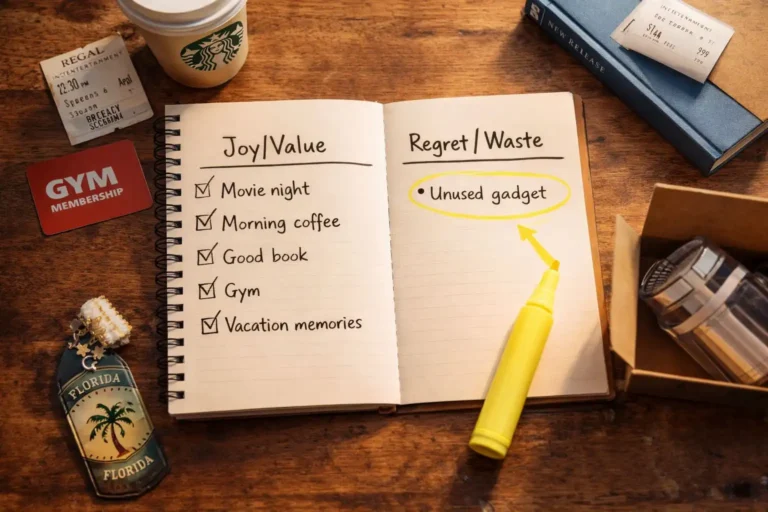

Money fights rarely start with numbers—they start with silence.
These conversations can transform your relationship and your financial future.
Not knowing your partner’s money story can feel like walking blindfolded – and that worry quietly strains any relationship. In fact, experts note that “money is often considered a taboo subject in relationships, yet financial issues are a leading cause of stress and conflict among couples”. We all know arguments about money aren’t really about numbers, but about mismatched values and fears. The good news? Financial compatibility is a journey you can navigate together. By opening up honestly about money, you build what one therapist calls financial intimacy – a trust and security that deepens your emotional bond.
In this guide, we’ll provide a judgment-free roadmap of the most critical financial questions to ask with your partner. You’ll learn why to ask financial questions with partner, how to ask financial questions with partner gently, and what questions to ask in three key categories (past/present, day-to-day, and future).
What are the financial questions to ask with partner?
The most important financial questions to ask with your partner include:
• What is your credit score and debt situation?
• Do we prefer joint bank accounts or separate finances?
• What are our shared financial goals for the next 5–10 years?
• How do we handle budgeting and spending differences?
• What is our retirement and investment strategy?
By the end, you’ll have a ready-to-use plan for deeper financial intimacy and a stronger partnership – a roadmap from uncertainty to understanding.
Why This Conversation is the Ultimate Relationship Glue
Money fights are rarely about math. They are almost always about values, security, and trust. As one relationship counselor observes, “Disagreements about money are not just about numbers. Money has emotional meanings for you and your partner because they originate in your financial ancestry”. In other words, that arguing over the utility bill often masks childhood money messages or secret anxieties. When partners learn each other’s “money story,” they begin to see that fights come from mismatched dreams and fears, not malicious intent.

Consider this: couples who talk money together tend to thrive, while those who stay silent often struggle. A large study from Yale finds that “when couples work together and talk about money, they spend more responsibly and are generally happier”. Conversely, when people are worried about finances, they often expect conflict and avoid the talk altogether. The lesson is clear: delaying the conversation only builds fear.
We have seen it firsthand. One engaged couple we know sat down early and openly shared their credit-card debts and savings goals. The result? They felt like teammates, not adversaries. In fact, couples who undergo guided money talks often report astonishing changes – one therapist’s clients said “I never knew this about her, now I understand!” and “Our money talks were really helpful to start acting like a team”. On the flip side, another friend discovered her fiancé had hidden debt only after their wedding plans began, triggering stress and arguments.
Talking about money is a form of financial foreplay – building intimacy through vulnerability. It’s a chance to show respect and care. When we share our dreams (vacations, homeownership) and our worries (debt, job security), we let our partner in. That openness is the glue that holds a relationship together. Understanding why to ask financial questions with partner — because it builds trust and aligns your future — will give you the courage to have the conversation rather than avoid it.
How to Start the Money Talk Without Starting a Fight
The first step is setting the stage. Pick a neutral, low-pressure moment – not right after a long day or a spat over groceries. Schedule a relaxed “money date,” perhaps over coffee or a quiet evening stroll. As financial experts recommend, a scheduled conversation can make all the difference. One advisor suggests: “Plan a monthly date night to have money talks in a neutral location like a restaurant”. You might laugh about it over dessert or share a favorite beverage, but the goal is mutual focus, not accusation.
Begin softly. Try framing the discussion in “I” statements and shared goals. For example:
“I have been thinking about our future and I feel excited about what we can achieve together. I want to make sure we are on the same page about saving and spending. Would you be up for chatting about our long-term plans?”
Gottman Institute experts advise using “soft start-ups” and “I” statements: instead of “You never stick to the budget!”, say “I feel concerned about our spending lately, and I’d like to see if we can work on it together”. This subtle shift keeps your partner from getting defensive. In the same vein, try to focus on “we” and “us”, not “you” or “me.” For instance, ask “How can we build a financial safety net?” rather than “Why don’t you save any money?”. Stress that you’re on the same team.
Normalize the process. Remind yourselves it’s a conversation, not an interrogation. It’s okay to laugh or pause. As one blog puts it: the goal isn’t to audit or blame but to “stay connected to your shared financial picture so you can make decisions together, reduce surprises, and work toward the things that actually matter to you as a team”. If either of you feels strong emotions rising, take a break – cool-off intervals are fine. Even better, make these talks regular. By making a “communication pledge” to check in about money monthly, you build a habit of openness.
Remember: vulnerability is not weakness here, it’s strength. Financial communication expert Erin Lowry notes that one way to boost intimacy is to “share a secret” about a past money mistake, like you’re getting emotionally naked together. By owning up to flaws or fears, you show trust.
Finally, be prepared to listen and ask open-ended questions. Psychology Today suggests using open-ended prompts instead of yes/no queries. For example, “What excites you about our financial future?” invites a detailed response. If something is unclear, ask your partner to explain their perspective without judgment. The more you treat money as a team project, the less threatening it becomes. Over time, these gentle, collaborative conversations turn how to ask financial questions with partner from an awkward quiz into a natural part of your relationship routine.
The Foundational Questions: Your Financial History & Reality
Now for the what to ask. Start with your financial “resume” – the raw facts and history that shape your present. This isn’t about checking credentials, but about transparency. Even if it feels awkward, laying everything on the table now prevents nasty surprises later.
Credit Scores & History
Your credit profiles will matter for any joint loans (mortgage, car, etc.). So ask openly: “What is your current credit score?” Go a step further: consider pulling credit reports together (you can get free reports at AnnualCreditReport.com to ensure accuracy). Discuss any black marks: “Do you have collections, late payments, or student loans in collections?” “Have you ever declared bankruptcy?” Acknowledge that poor credit isn’t a moral failure — it can often be fixed over time. As one adviser put it, there’s “no shame in debt if you have a realistic plan to pay it down”. The key is honesty. Lenders will consider both your scores if you apply together, so knowing the landscape helps you plan (or delay big purchases until fixes are in place).
The Debt Landscape
Money fights often stem from hidden debts. Be upfront: “What is the total amount of debt you have? (Credit cards, car loans, student loans, medical bills, etc.)” Break it down by type and interest rate. You might even pull up statements together. Ask about their strategy: “How are you tackling this debt? Is it high-interest credit, or a mortgage? What’s the payoff plan?” Be sure to stress this is a no-judgment zone. As one financial coach advises, “When it comes to debts… honesty is the way to go”. Hiding a debt (or inflating it) will only poison trust. Think of this as building debt transparency — once you both know the true totals, you can work together (or separately) to pay them down.
Income & Spending Personality
Talk about how money flows in. “What does your monthly income look like?” Share salary, bonuses, freelance or tips, and how stable it is. Any regular side income? Also discuss taxes and withholdings: “Is there anything deducted automatically (401k, insurance)?” Financial habits usually run deep, so also ask: “Would you call yourself a saver or a spender?” or “What’s a purchase you consider a perfect splurge, something you’d never regret?”. These help you understand your partner’s money scripts – the unconscious beliefs from childhood that drive spending. For example, one partner might believe “more money equals security,” while another grew up thinking “money is for living, not saving.” Acknowledge these differences calmly. At the end, both partners should feel heard: one expert recommends asking “How do you feel about your current financial situation?” to give each other perspective.
Building on these basics, you’ll move from individual histories to the next section: how you’ll manage money today as a team.

The Day-to-Day Questions: Building a Life Together
With the foundations laid, turn to practical living. Here’s how you’ll handle money day-to-day as a unit.
The Bank Account Debate
Will you merge money or not? There’s no one right answer. Trust and communication matter more than account names. Financial writers note that joint accounts can improve transparency – “you can work together to save for bigger goals,” and you’ll both have access in an emergency. But they require coordination: having multiple accounts means deciding how much to funnel into the joint pot each month. Separate accounts, by contrast, preserve autonomy – “You don’t have to share everything or agree on every decision” – and avoid finger-pointing over personal spending. Many couples choose a hybrid: perhaps a joint checking for shared bills (rent, groceries) and an emergency fund, plus individual accounts for personal spending and “fun money”. This balances privacy with teamwork.
Regardless of the setup, clarify roles: “Who pays for what?” One planner suggests asking upfront, “Who handles the rent vs. utilities, or are we splitting everything 50/50?”. For example, maybe one of you covers rent while the other handles utilities, or you divide all expenses down the middle. Discuss how you’ll handle the bookkeeping (apps? spreadsheets?). Will one person pay all monthly bills and report to the other, or will you share duties? Being explicit – “If one person is sick or on vacation, will the other know how to pay bills?” – prevents future scrambles.
Budgeting for Reality
Creating a budget together is about values, not rigid numbers. Start by asking: “What are our top 2-3 shared financial priorities this year?” (Saving for a down payment? Building an emergency fund? Student loans?) Being specific helps align your budget with your dreams. Also set personal spending “allowances.” For instance, “How much can each of us spend guilt-free per month on hobbies or treats?” Decide what “fun money” you each get without needing approval, which builds trust and prevents resentment. Discuss “What does ‘enough’ look like for us?” – this might mean a target emergency fund (3–6 months of expenses), or a retirement nest egg you’re both happy aiming for. Reassure each other that these figures can change as life evolves; the goal is agreeing on a plan.
On a practical note, ask “Are we comfortable setting up a couples’ budget or using an app together?”. A shared budgeting tool can make this routine less painful and more transparent. As Morgan Stanley points out, normalizing these chats early “may help strengthen your romance” in the long run. Keep this conversation neutral and curiosity-driven: maybe use a neutral tone and phrases like, “I’m curious, did that vacation spending come in under our expectations?”. The idea is not to nitpick but to ensure that, month-to-month, you’re spending your money in ways both of you value.
The Big-Ticket Items
Now connect your daily habits to your big dreams. Ask about those major life purchases: “Do we want to own a home eventually, or are we content renting?” If you plan to buy, discuss how much you’ll save for a down payment. “How do we feel about buying a new car vs. a reliable used one with cash?” Consider what you both expect here. And don’t forget enjoyment – ask “What would our dream vacation look like, and how much should we be saving for it each year?” Imagining the details (plane tickets, hotel, activities) puts a price tag on dreams, turning them into goals.
These conversations link the practical to the aspirational. For example, if homeownership is a dream, your budgeting might shift toward aggressive saving now. If neither of you cares much about travel, you might allocate that money elsewhere. In short, every big expense ties back to your shared goals. Being honest about priorities helps you both feel committed to the plan.
The Future-Proofing Questions: Protecting Your “Us”
Finally, look ahead to protect your partnership against life’s curveballs. These questions may feel heavy, but they ensure you’re ready for anything together.
The Long-Term Vision
Cast a vision for “us.” “At what age do we ideally want to retire or shift to part-time work?” Discuss retirement not just as a number, but as a lifestyle (see Morgantown vs. shuffleboard). Ask “How much risk are we comfortable taking in our investments?” One of you might be an aggressive investor, the other very cautious; clarify so you can balance portfolios accordingly. Also tackle bigger notions of freedom: “What does financial freedom look like to you?” Is it owning the vacation home? Traveling twice a year? Being debt-free by 40? These big-picture goals guide your savings and investment strategy. (For instance, spousal IRA can be one tool: if one partner plans to stay home with kids, a spousal IRA lets the other keep saving for the stay-at-home spouse.) Even if details change over time, agreeing on a long-term direction – and checking in regularly – helps prevent wandering off course.
Protection & What-Ifs
Ask the tough “what ifs.” First, check insurance: “Do we each have enough life and disability insurance to protect the other?” If one of you were unable to work (due to illness or injury), would the other manage on savings and benefits alone? Many couples find they’re underinsured; now’s the time to calculate what each of you would need. Confirm “have we updated the beneficiaries on our retirement and investment accounts?” – outdated beneficiaries are a common oversight.
Also, chat about legal basics. This might feel morbid, but it’s loving. “Do we need to create or update a will or estate plan?” (At minimum, decide who should inherit what and name guardians if you have kids.) If you’re married, you’ll file taxes jointly, but a will ensures your assets go where you want. One should at least consider a simple will or beneficiary-laden accounts.
Finally, discuss family obligations and boundaries. “How would we handle financial support for aging parents or other relatives?” If one partner expects to help Mom or Dad financially, or if parents have promised assistance (like paying for a child’s college), clarify those expectations now. Relatedly, “what are our thoughts on gifts to family or charity?” Do you plan to give support or ask for it? Setting these boundaries now saves hurt later. If children are in your future, ask “How will we approach child expenses and education?” Will you start a college fund?
Covering these future questions lays a safety net under your “us.” You may not have all the answers today, but knowing you have plans in place (or a plan to make a plan) brings confidence. As one advisor reminds couples: even with separate accounts, “you do need to be aware of where your money is going…and work together on shared financial goals” – and the same goes for these big what-ifs.
The Quarterly Money Date Checklist
To keep momentum, turn these questions into a habit. Here’s a quick checklist for your quarterly money date – the face-to-face check-in that keeps you aligned:
- Review progress on your top 3 financial goals. Check balances on savings accounts, retirement funds, debt paydown – are you on track?
- Check for any suspicious or fraudulent charges. Review bank and credit card statements together; confirming all charges keeps surprises (and stress) at bay.
- Discuss any upcoming large expenses. Identify birthdays, repairs, or trips in the next quarter and plan how to pay for them.
- Revisit one “big picture” question from Section 5. Maybe talk about your retirement timeline or reassess risk tolerance. Make sure you’re still on the same long-term page.
- Celebrate a financial win (even a small one). Reflect on what went well – paid off a debt, hit a savings goal, or even saying no to a regretful purchase. Acknowledge progress together.
Using this checklist each quarter turns what could be a chore into a powerful habit of teamwork. It’s like your regular tune-up: keeping the lines of communication open and rewarding you for sticking to the plan.

After, What Why How
Talking about money isn’t glamorous, but it’s an act of love and respect. When you ask financial questions with your partner, you are really asking “What do we want our life to look like together?” By aligning your answers, you align your dreams. You move from anxiety to understanding, from guesswork to a real plan.
This journey – from why we talk about money, to how we bring it up gently, to what we actually ask – will draw you closer. No conversation is perfect, and you won’t fix everything overnight. The real victory is simply starting the conversation. As one couple put it after their talks, “Our money talks were really helpful to start acting like a team”.
Every step you take toward transparency is a brick in the foundation of your future. This isn’t just about dollars; it’s about trust and shared vision. Remember: the goal isn’t to nail every detail today, but to keep talking and adjusting as you grow. In the end, the conversation itself – its openness and empathy – is more important than getting every number right.
Start Action
Which question from this list feels most important for you to ask this week? Pick one and try it out on your next coffee date. We’d love to hear how your money date went – share your experience in the comments. If you found this guide helpful, pass it along to someone you love. After all, just as we track our fitness to stay healthy, tracking our financial alignment keeps a relationship strong. And if you need help turning these talks into a habit, you might find our guide on building consistent habits useful as well.
Together, you and your partner can master both your budgets and your bond. Also Take Charge of Your Financial Future with 4 Powerful Steps. Good luck – you have got this!